
Introduction
Turban hijabs have been steadily gaining popularity among Muslim women, particularly in North America, where they represent a fusion of tradition and modernity. These head coverings offer a unique way to observe modesty while incorporating a contemporary twist. Whether you’re new to the world of turban hijabs or already a fan looking to expand your collection, this comprehensive guide will provide you with everything you need to know. From understanding what turban hijabs are, to exploring their various styles and learning how to wear them, we’ll cover all aspects to help you embrace this versatile accessory.
What Are Turban Hijabs?
Understanding the Concept
Turban hijabs are a modern variation of the traditional hijab. While a conventional hijab typically drapes around the head, neck, and shoulders, a turban hijab is styled to cover the head in a turban-like manner, leaving the neck exposed. This makes it distinct in its appearance while still fulfilling the requirements of modesty. The turban hijab can be worn with an under scarf or paired with a separate neck covering for those who prefer full coverage.
Styles and Variations
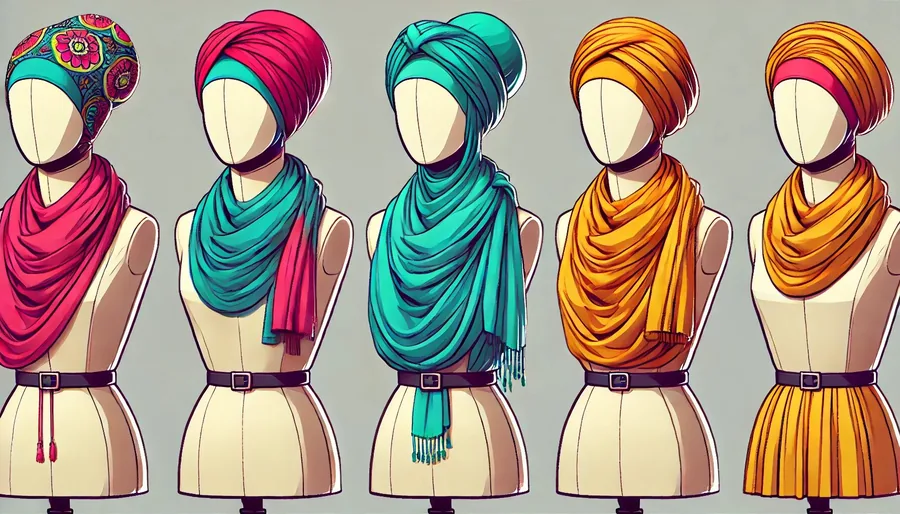
Turban hijabs are incredibly versatile and can be styled in numerous ways to suit different occasions, outfits, and personal preferences. Some of the most popular styles include:
Classic Turban: The classic turban hijab is the most straightforward style, often created by wrapping a single piece of fabric around the head and securing it with a knot or twist at the front. This style is perfect for everyday wear and can be dressed up or down depending on the fabric and accessories used.
Braided Turban: For those looking to add a bit of texture and flair, the braided turban hijab involves incorporating braids or twists within the fabric. This style can be achieved by braiding sections of the hijab material or by adding a separate braided piece to create a more intricate look.
Layered Turban: The layered turban style involves using multiple pieces of fabric or folding a single piece in layers to create volume and dimension. This style is ideal for special occasions or when you want to make a bold fashion statement.
Embellished Turban: To elevate the turban hijab for formal events, embellishments such as beads, brooches, or embroidery can be added. These decorative elements can transform a simple turban into a stunning headpiece that complements your outfit.
Why Turban Hijabs Are Gaining Popularity in North America
Cultural Adaptation
The turban hijab has become a symbol of cultural adaptation among Muslim women in North America. It represents a way to stay true to Islamic values while also embracing contemporary fashion trends. The adaptability of the turban hijab makes it suitable for various settings, whether you’re at work, attending a social gathering, or running errands. It allows Muslim women to express their identity and faith in a way that aligns with their personal style.
Comfort and Practicality
One key reason for the growing popularity of turban hijabs is their comfort and practicality. Traditional hijabs can sometimes feel cumbersome, especially in warm climates or during physical activities. The turban hijab offers a more breathable alternative, as it allows for better airflow around the head and neck. Additionally, the turban style is often easier to secure, reducing the need for constant adjustments throughout the day.
Fashion Forward
Turban hijabs are not only about modesty; they are also a fashion statement. Many Muslim women in North America appreciate the modern and chic look that a turban hijab provides. The style is versatile enough to pair with a wide range of outfits, from casual jeans and a top to more formal attire, making it a go-to choice for those who want to maintain their faith while staying on trend. Fashion influencers and designers have also embraced the turban hijab, further cementing its status as a stylish accessory.
How to Wear a Turban Hijab
Step-by-Step Guide
Wearing a turban hijab might seem challenging at first, but with a little practice, it becomes an easy and quick process. Here’s a detailed step-by-step guide to help you master the art of wearing a turban hijab:
Start with an Underscarf: Begin by putting on an underscarf or headband. This not only helps to keep your hair in place but also provides a secure base for the turban hijab, preventing it from slipping.
Place the Hijab Fabric: Take the hijab fabric and place the middle section at the back of your head. Make sure that both sides of the fabric are of equal length. If you prefer a more voluminous look, you can use a longer or wider piece of fabric.
Wrap the Fabric: Take one side of the fabric and wrap it over your head, bringing it across to the opposite side. Secure it by tucking the end of the fabric under the wrap or using a pin to hold it in place.
Repeat with the Other Side: Take the remaining side of the fabric and repeat the wrapping process, ensuring that the wrap is snug but comfortable. You can adjust the tightness according to your preference.
Tuck and Adjust: Finally, tuck in any loose ends and adjust the fabric to achieve the desired look. You can leave a small knot or twist at the front for added style, or keep it smooth for a more minimalist appearance.
Tips for Styling
Experiment with Colors and Fabrics: Turban hijabs come in a wide variety of colours and fabrics, from lightweight cotton to luxurious silk. Experiment with different materials to find what works best for you, and choose colours that complement your outfit and the occasion.
Accessorize: Don’t be afraid to add accessories to your turban hijab. A decorative brooch, pin, or headband can elevate your look and add a personal touch. Just be sure that the accessories are secure and comfortable.
Practice Makes Perfect: If you’re new to wearing a turban hijab, it might take a few tries to get the style just right. Don’t be discouraged—practice in front of a mirror, and soon, you’ll develop your techniques and preferences.
Turban Hijabs in the Workplace
Balancing Modesty and Professionalism
For many Muslim women in North America, the workplace is a setting where balancing modesty and professionalism is essential. The turban hijab provides a sleek and polished look that is well-suited for a professional environment. Whether you work in an office, a school, or any other setting, the turban hijab allows you to maintain your faith and modesty without compromising on your professional appearance.
Navigating Workplace Norms
If you’re considering wearing a turban hijab to work, you may have concerns about how colleagues and supervisors will receive it. It’s important to remember that most workplaces in North America are supportive of religious expression, and wearing a turban hijab is your right. Approach the situation with confidence and be prepared to explain the significance of the turban hijab if asked. In many cases, your colleagues will be curious and interested in learning more about your cultural and religious practices and believe that it is a perfect dress code for a Muslimah.
Turban Hijabs for Special Occasions
Elevating Your Look for Events
Turban hijabs are an excellent choice for special occasions such as weddings, parties, or religious celebrations. They can be styled in more elaborate ways to create a sophisticated and elegant look. For example, you can use luxurious fabrics like silk or satin, and add decorative elements like beads or embroidery to make your turban hijab stand out.
Matching with Outfits
When attending a special event, it’s important to consider how your turban hijab will complement your outfit. Choose a turban hijab in a color and fabric that matches or contrasts beautifully with your dress or suit. You can also experiment with patterns and textures to create a unique and eye-catching look. For instance, a floral-patterned turban hijab can add a touch of femininity to a plain dress, while a solid-coloured turban can provide a sleek and modern contrast to a more ornate outfit.
Conclusion
Turban hijabs offer a beautiful and versatile way for Muslim women in North America to express their faith while embracing contemporary fashion. Whether you’re wearing a turban hijab for daily activities, work, or special occasions, this stylish head covering allows you to maintain your modesty without sacrificing your sense of style. With endless options for styling, fabrics, and accessories, the turban hijab is a valuable addition to any wardrobe, offering comfort, practicality, and a touch of elegance.
FAQs
1. What is the difference between a turban hijab and a traditional hijab?
A turban hijab is designed to be wrapped around the head in a turban-like style, covering the head while leaving the neck exposed. In contrast, a traditional hijab typically covers both the head and neck, with the fabric draping over the shoulders.
2. Can I wear a turban hijab for formal events?
Yes, turban hijabs are highly versatile and can be styled elegantly for formal events. By choosing luxurious fabrics like silk or satin and adding accessories such as brooches or pins, you can create a sophisticated look that is perfect for weddings, parties, or other special occasions.
3. How do I secure my turban hijab so it doesn’t slip?
To ensure your turban hijab stays in place, start by wearing an underscarf or headband. This provides a secure base for the hijab and helps prevent it from slipping. Additionally, make sure the fabric is wrapped snugly around your head, and consider using pins or clips to hold the hijab in place.
4. Is the turban hijab suitable for all face shapes?
Yes, the turban hijab is adaptable to various face shapes. By adjusting the height, volume, and positioning of the wrap, you can tailor the turban hijab to suit your individual features, enhancing your overall look.
5. Can I wear a turban hijab in hot weather?
Absolutely! Turban hijabs are often made from lightweight and breathable materials, making them an ideal choice for hot weather. The turban style allows for better airflow, keeping you cool and comfortable even in warm climates.