
Reviewed by: Zainab Abdul ghani Mohamed
The Kickoff
The United States has seen a significant rise in its Muslim population over the past few decades, leading to an increasing demand for Halal lifestyle and products. This shift is not just about dietary choices but extends to various aspects of life, reflecting the growing desire among American Muslims to live in accordance with their religious beliefs. In this article, we will explore the factors driving this demand, the challenges faced, and the opportunities it presents for businesses.
Understanding the Halal Lifestyle
The Halal lifestyle is more than just a dietary guideline; it encompasses a way of living that adheres to Islamic principles. The term "Halal" means permissible or lawful in Arabic and applies to all aspects of life, including food, finance, fashion, and personal care. For Muslims, living a Halal lifestyle is a religious obligation that involves making conscious choices that align with their faith.
Key Components of the Halal Lifestyle
Halal Food: The most well-known aspect of the Halal lifestyle is the consumption of food that meets Islamic dietary laws. This includes meat that has been slaughtered in the name of Allah and is free from forbidden substances like alcohol or pork.
Halal Finance: Islamic finance is based on principles that prohibit interest (riba) and ensure ethical investments. Muslims in the U.S. are increasingly seeking halal banking options.
Modest Fashion: The concept of modesty in Islam influences clothing choices, leading to the rise of Halal or modest fashion that aligns with Islamic guidelines.
Halal Personal Care Products: This includes cosmetics and hygiene products that are free from Haram (forbidden) ingredients like alcohol and animal derivatives, which are not permissible in Islam.
The Growing Muslim Population in the United States
The United States is home to a diverse Muslim population, with estimates suggesting that there are over 3.5 million Muslims living in the country. This population is not only growing but also becoming increasingly influential in various sectors, including the economy, politics, and culture. The increase in the Muslim population is directly contributing to the rising demand for Halal products and services.
Factors Contributing to the Growth
- Immigration: A significant portion of the Muslim population in the U.S. is made up of immigrants from countries where Islam is the predominant religion. These individuals bring with them the need for Halal products and services.
- Higher Birth Rates: Muslim families tend to have higher birth rates compared to the general population, further boosting the Muslim demographic in the country.
- Conversion to Islam: Islam is one of the fastest-growing religions in the United States, with a considerable number of converts each year who adopt the Halal lifestyle.
The Surge in Demand for Halal Products
The increasing Muslim population has led to a corresponding rise in demand for Halal products. This demand is not limited to food but spans various industries, creating opportunities for businesses that cater to this growing market.
Halal Food Industry
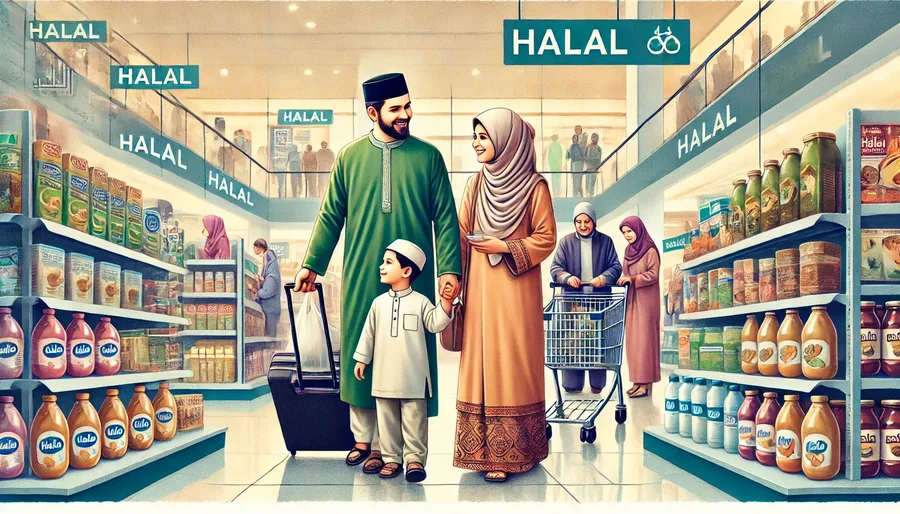
The Halal food industry in the United States has expanded rapidly over the past few years. Supermarkets now stock Halal meat and other products, and Halal restaurants are becoming more common, especially in urban areas with significant Muslim populations. The demand for Halal food has also influenced major food chains to offer Halal options to cater to Muslim customers.
Halal Finance
As the Muslim population grows, so does the need for Halal financial products. Islamic banking services, investment opportunities, and Sharia-compliant mortgages are becoming more widely available. Financial institutions are recognizing the potential of this market and are increasingly offering products that meet the needs of Muslim consumers.
Modest Fashion and Personal Care
The modest fashion industry is thriving, with American Muslim women leading the way in designing and promoting clothing that aligns with Islamic principles of modesty. Similarly, the demand for Halal personal care products has led to the creation of new brands and the adaptation of existing ones to meet the needs of Muslim consumers.
Challenges in Meeting the Demand
While the demand for Halal products and services is growing, there are several challenges that businesses face in catering to this market.
Certification and Authenticity
One of the primary challenges is ensuring that products are genuinely Halal. This requires proper certification from recognized authorities, which can be a complex and costly process for businesses. Consumers are increasingly looking for transparency and authenticity in the products they purchase, making certification crucial.
Education and Awareness
Many businesses are still unaware of the specific needs of Muslim consumers, leading to a gap in the market. There is a need for greater education and awareness about the Halal lifestyle among both businesses and consumers to ensure that the demand is met effectively.
Opportunities for Businesses
The increasing demand for Halal products presents significant opportunities for businesses. By understanding and catering to the needs of Muslim consumers, companies can tap into a growing and loyal customer base.
Expanding Product Lines
Businesses that already offer Halal products can expand their product lines to include a wider range of options, such as organic or locally sourced Halal foods, Halal-certified cosmetics, and more.
Marketing and Branding
Effective marketing and branding strategies that emphasize the Halal certification and ethical nature of products can attract Muslim consumers. Businesses that align their values with the principles of the Halal lifestyle are likely to build strong relationships with their customers.
Conclusion
The demand for Halal lifestyle and products in the United States is on the rise, driven by a growing Muslim population that is committed to living in accordance with their faith. This trend presents both challenges and opportunities for businesses. By understanding the needs of Muslim consumers and offering products that align with the Halal lifestyle, businesses can not only meet this demand but also contribute to the growth of a more inclusive and diverse marketplace.
FAQs
Q1. What does a Halal lifestyle encompass?
A Halal lifestyle goes beyond just dietary choices; it includes all aspects of life that align with Islamic principles, such as Islamic finance, fashion, and personal care products.
Q2. Why is there an increasing demand for Halal products in the United States?
The demand is rising due to the growing Muslim population, higher birth rates among Muslims, immigration, and conversions to Islam, all contributing to a greater need for Halal products and services.
Q3. What challenges do businesses face in catering to the Halal market?
The main challenges include ensuring proper certification and authenticity of Halal products and the need for greater education and awareness about the Halal lifestyle among halal businesses.
Q4. How can businesses tap into the Halal market?
Businesses can tap into the Halal market by expanding their product lines to include more Halal options, obtaining proper certification, and using effective marketing strategies that emphasize the ethical and Halal nature of their products.
Q5. What are some examples of Halal products in the United States?
Examples include Halal food (meat, snacks, beverages), Halal-certified cosmetics, modest fashion, and Sharia-compliant financial products like Islamic mortgages and investment opportunities.