
Reviewed by: Zainab Abdul Ghani Mohamed
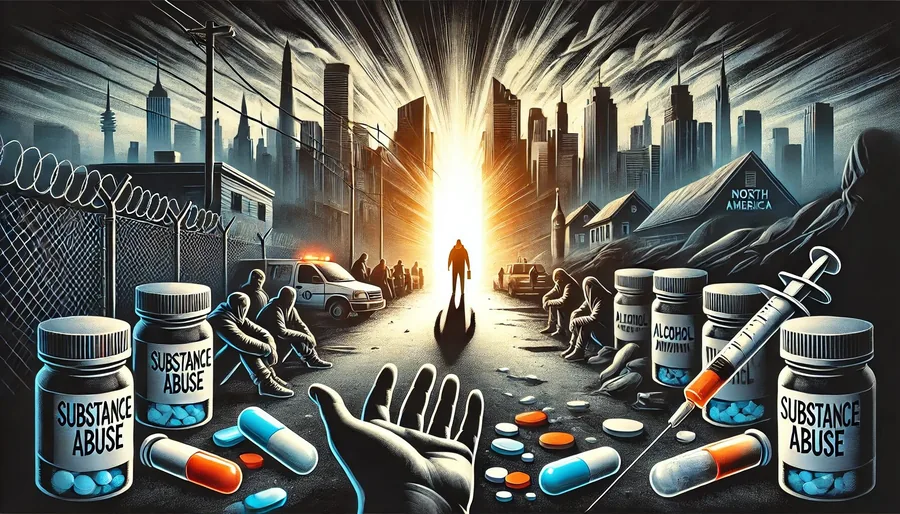
As a Muslim mother in North America, safeguarding our children from the pervasive threat of substance abuse is both a responsibility and a priority. The rising rates of substance abuse among youth are alarming, and understanding how to effectively combat this issue within our communities is crucial. This guide offers comprehensive strategies rooted in faith, community, and practical parenting to help protect our children from falling into the grips of substance abuse.
Understanding Substance Abuse: A Growing Concern
What is Substance Abuse?
drugs absue refers to the harmful or hazardous use of psychoactive substances, including alcohol and illicit drugs. It encompasses a range of behaviors from experimentation to addiction, impacting an individual's health, relationships, and overall well-being.
Current Statistics in North America
In North America, substance abuse among adolescents and young adults has been on the rise. According to recent studies, approximately 40% of teenagers report using at least one substance, with opioids, marijuana, and alcohol being the most commonly abused. These statistics highlight the urgent need for effective prevention and intervention strategies.
The Muslim Perspective on Substance Abuse
Islamic Teachings on Intoxication and Harm
Islam places a strong emphasis on preserving one's health and well-being and touches the drugs topic very carefully. The consumption of intoxicants is explicitly prohibited in the Quran, as it leads to impaired judgment and harmful behaviors. These teachings provide a solid foundation for preventing drugs abuse within Muslim families.
The Role of Faith in Prevention
Faith plays a pivotal role in guiding behavior and decision-making. By instilling Islamic values and principles, Muslim parents can equip their children with the moral compass needed to resist the temptations of substance abuse. Encouraging regular prayer, Quranic study, and participation in community activities fosters a strong sense of identity and purpose.
Identifying the Signs of Substance Abuse in Children
Behavioural Changes
One of the first indicators of drugs abuse is noticeable changes in behaviour. These may include increased secrecy, withdrawal from family and friends, declining academic performance, and engaging in risky activities.
Physical Indicators
Physical signs such as sudden weight loss or gain, unusual odours, bloodshot eyes, and frequent nosebleeds can signal substance abuse. Additionally, tracking devices like frequent absences from school or unexplained financial issues may also be red flags.
Emotional and Social Signs
Children struggling with substance abuse often exhibit mood swings, increased anxiety or depression, and a loss of interest in previously enjoyed activities. Socially, they may associate with a new group of friends who engage in similar behaviours, further entrenching their substance use.
Building Open Communication Channels
Creating a Safe Space for Dialogue
Establishing an environment where children feel safe to express their thoughts and feelings is essential. Encourage open conversations without judgment or immediate reprimand, allowing your child to share their experiences and challenges.
Encouraging Honesty and Trust
Building trust is fundamental in preventing substance abuse. Let your children know that you are there to support them unconditionally. Honesty fosters a stronger parent-child relationship, making it easier to address issues related to substance use when they arise.
Implementing Preventative Measures at Home
Setting Clear Rules and Expectations
Clearly defined rules regarding substance use provide a framework for acceptable behaviour. Discuss the consequences of substance abuse and ensure that your child understands the importance of adhering to these guidelines.
Monitoring and Supervision
Active supervision involves knowing your child's whereabouts, who they are spending time with, and what activities they are engaged in. While respecting their privacy, staying informed can help you detect early signs of substance abuse.
Promoting Healthy Lifestyle Choices
Encourage participation in extracurricular activities, sports, and hobbies that promote physical and mental well-being. A healthy lifestyle reduces the likelihood of turning to substances for coping or entertainment.
Collaborating with Community and Educational Institutions
Engaging with Schools and Teachers
Maintain open lines of communication with your child's educators. Schools often have resources and programs aimed at preventing substance abuse, and collaborating with teachers can provide additional support for your child.
Leveraging Community Resources
Community centers, mosques, and local organizations offer various programs and support systems designed to combat substance abuse. Participating in these initiatives can strengthen your child's network and provide them with positive role models.
Participating in Faith-Based Initiatives
Faith-based programs that focus on Islamic teachings and values can be particularly effective in preventing substance abuse. These programs offer a culturally relevant approach that resonates with Muslim youth, fostering a sense of belonging and purpose.
Seeking Professional Help When Needed
Recognizing When to Seek Help
If you suspect your child is struggling with substance abuse, it's crucial to seek professional assistance promptly. Early intervention can prevent more severe issues and facilitate a smoother path to recovery.
Available Treatment Options
Various treatment options are available, including counselling, therapy, and rehabilitation programs tailored to address substance abuse. Choosing a program that aligns with your family's values and your child's needs is essential for effective recovery.
Supporting Your Child Through Recovery
Recovery is a challenging journey that requires patience, understanding, and unwavering support. Encourage your child, celebrate their progress, and remain committed to their well-being throughout the process.
Empowering Our Children: Fostering Resilience and Self-Esteem
Encouraging Personal Growth
Promote activities that enhance your child's skills and interests. Personal growth builds confidence and reduces the likelihood of seeking solace in substance use.
Building Strong Values and Ethics
Instilling strong moral values helps children make informed and ethical decisions. Emphasize the importance of integrity, responsibility, and compassion in everyday life.
Developing Coping Mechanisms
Teach your children healthy ways to manage stress and emotions. Effective coping strategies, such as mindfulness, exercise, and creative outlets, can prevent the need to turn to substances for relief.
Conclusion
Combating the rising tide of substance abuse in North America requires a multifaceted approach rooted in faith, community, and proactive parenting. As Muslim mothers, our role in protecting our children is paramount. By understanding the challenges, fostering open communication, implementing preventative measures, and seeking professional help when necessary, we can guide our children towards a healthy, fulfilling, and substance-free future. Let us work together to create a supportive environment where our children can thrive and resist the temptations of substance abuse.
Frequently Asked Questions (FAQs)
1. What are the most common substances abused by teenagers in North America?
The most commonly abused substances among teenagers in North America include alcohol, marijuana, prescription medications (such as opioids and stimulants), and illicit drugs like cocaine and ecstasy. Additionally, vaping products and nicotine remain prevalent among youth.
2. How can I talk to my child about drugs abuse without scaring them?
Approach the conversation with openness and empathy. Use age-appropriate language, share factual information about the risks of substance abuse, and encourage questions. Emphasize your support and willingness to help rather than instilling fear.
3. What role does the community play in preventing substance abuse among youth?
The community plays a vital role by providing support systems, educational programs, and recreational activities that offer positive alternatives to substance use. Engaging with local organizations, schools, and faith-based groups fosters a collective effort to prevent substance abuse.
4. How can I support my child if they are struggling with substance abuse?
Offer unconditional support by listening without judgment, seeking professional help, and being involved in their recovery process. Encourage participation in counseling or therapy, and maintain a supportive and understanding home environment to facilitate their healing.
5. Are there faith-based programs that help prevent substance abuse?
Yes, many faith-based programs integrate spiritual teachings with substance abuse prevention strategies. These programs often focus on building strong moral values, fostering community connections, and providing a supportive environment aligned with religious beliefs, making them effective for Muslim youth.
As a Muslim mother in North America, safeguarding our children from the pervasive threat of drugs abuse is both a responsibility and a priority. The rising rates of substance abuse among youth are alarming, and understanding how to effectively combat this issue within our communities is crucial. This guide offers comprehensive strategies rooted in faith, community, and practical parenting to help protect our children from falling into the grips of substance abuse.