
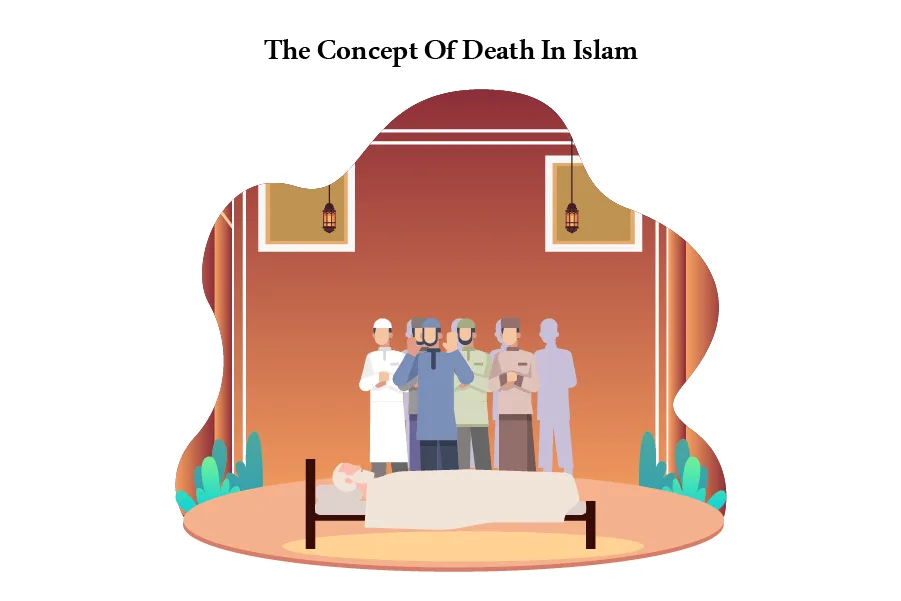
Death in Islam is an entirely different concept:
The concept of death in Islam can be understood by following
“ Whose so ever you may be, death will overtake you even if you are in fortresses built up strong and high!”
Maut is a firm reality. No one can escape from it. It is coming nearer and nearer every hour, every day. According to world factbook 2007, 2 people die each second. Regardless of age, status health, everyone will reach this inescapable destiny.
In Islam it is not a disaster; instead, death is simply leaving one world and entering another world. Allah has created human beings only to worship HIM; this life is a test to see who will fulfill the purpose.
Allah says in the Quran:
وَمَا خَلَقْتُ ٱلْجِنَّ وَٱلْإِنسَ إِلَّا لِيَعْبُدُونِ
“And I did not create the Jinn and mankind except to worship Me.”
Allah says:
ٱلَّذِى خَلَقَ ٱلْمَوْتَ وَٱلْحَيَوٰةَ لِيَبْلُوَكُمْ أَيُّكُمْ أَحْسَنُ عَمَلًا ۚ وَهُوَ ٱلْعَزِيزُ ٱلْغَفُورُ
“[He] who created death and life to test you [as to] which of you is best in deed - and He is the Exalted in Might, the Forgiving”
(AlQuran 67:2)
Is Death Painful or Not (Death In Islam):
We see many examples of Mout each day. We perceive that death is not pained total, but it is not the case; instead, the pain of dying is based on how well a person fulfilled their purpose in life.
Let’s consider the example of two people whose destinations are the same. The first person prepares himself by taking knowledge about the destination and its culture, but the second person is careless and wastes his time and life for the moment. When the second person arrives at the unknown destination, he feels scared and confused. So this is the case with life.
Allah says in the Quran.
حَتَّىٰٓ إِذَا جَآءَ أَحَدَهُمُ ٱلْمَوْتُ قَالَ رَبِّ ٱرْجِعُونِ
“When death comes to one of them, he says, My Lord, send me back!
لَعَلِّىٓ أَعْمَلُ صَٰلِحًا فِيمَا تَرَكْتُ ۚ كَلَّآ ۚ إِنَّهَا كَلِمَةٌ هُوَ قَآئِلُهَا ۖ وَمِن وَرَآئِهِم بَرْزَخٌ إِلَىٰ يَوْمِ يُبْعَثُونَ
That I might do righteousness in that which I left behind." No! He is saying only a word; behind them is a barrier until the Day they are resurrected.”
The reality of life:
This life is a test that ends in Mout. Life is divided into two parts the life of this world and the hereafter. Eternal life is more beneficial than the life of this world.
In Islam it is inescapable. Our purpose in this life is to worship Allah Almighty, perform acts of righteousness, and avoid all that is forbidden. Our actions in this world decide our destination. The belief in the hereafter guarantees success in the next life; if a person believes in the hereafter, he will benefit in this world too.
Things Beneficial after Death:
The prophet (PBUH) told them things that benefit the person after dying.
- a charity that he had given (which continues to benefit others),
- beneficial knowledge which he had left behind (i.e., authored or taught),
- supplication on his behalf by a righteous child.
Allah says in the Quran.
ٱللَّهُ يَتَوَفَّى ٱلْأَنفُسَ حِينَ مَوْتِهَا وَٱلَّتِى لَمْ تَمُتْ فِى مَنَامِهَا ۖ فَيُمْسِكُ ٱلَّتِى قَضَىٰ عَلَيْهَا ٱلْمَوْتَ وَيُرْسِلُ ٱلْأُخْرَىٰٓ إِلَىٰٓ أَجَلٍ مُّسَمًّى ۚ إِنَّ فِى ذَٰلِكَ لَءَايَٰتٍ لِّقَوْمٍ يَتَفَكَّرُونَ
“It is Allah Who takes away the souls at the time of their death, and those that die not during their sleep. He keeps those (souls) for which He has ordained death and sends the rest for a term appointed. Verily, in this are signs for a people who think deeply.”
1. What does Islam teach about the nature of death?
A: In Islam, death is not the end but a transition from this worldly life to the eternal life of the Hereafter. It is a decree from Allah, reminding us of the temporary nature of this life and the inevitability of returning to Him. Death serves as a wake-up call for believers to live righteously, as it marks the beginning of accountability for one’s deeds.
2. What happens to the soul after death according to Islam?
A: In Islam, the soul is separated from the body at the time of death and enters the Barzakh (the intermediate state) until the Day of Judgment. Righteous souls experience peace and blessings, while sinful souls may face trials in this state. This phase is a precursor to the eternal reward or punishment that will be determined on the Day of Resurrection.
3. How should Muslims prepare for death?
A: Muslims are encouraged to prepare for death by consistently engaging in good deeds, seeking Allah’s forgiveness, fulfilling their obligations, and maintaining strong faith. Acts such as regular prayer, charity, and kindness to others help prepare the soul for the Hereafter. Remembering death frequently fosters humility and motivates one to live a life pleasing to Allah.
4. What is the Islamic process of burial and funeral?
A: Islam prescribes a simple and dignified burial process. It involves performing Ghusl (ritual washing) of the deceased, shrouding them in plain white cloth, offering the Janazah (funeral) prayer, and burying them in a grave facing the Qibla. The emphasis is on humility, prayer for the deceased, and following the Sunnah in all funeral rites.
5. Why is remembering death emphasized in Islam?
A: Remembering death is emphasized in Islam as it keeps believers mindful of their purpose and accountability. It helps detach from excessive worldly pursuits and motivates self-purification and spiritual growth. The Prophet Muhammad (peace be upon him) advised Muslims to frequently remember death, as it softens the heart and keeps one focused on preparing for eternal life.